
Stained glass: ancient art, science and engineering
Stained glass is an ancient art form, a science, and a feat of engineering. Few glassmaking techniques demand so much from so many disciplines simultaneously, and few manage to remain virtually intact for centuries, as can be seen in the centuries-old windows we admire today in cathedrals and palaces.
The history of stained glass in Europe began in the Middle Ages, with the construction of great cathedrals, churches, and palaces. It was primarily from the 12th century onwards, with the birth of Gothic architecture in France, that stained glass gained the prominence we still recognize today: increasingly tall and slender windows, filled with colour and light, that told biblical stories to a population that, for the most part, could not read. Each window was, at the same time, art, catechesis, and a spectacle of light.
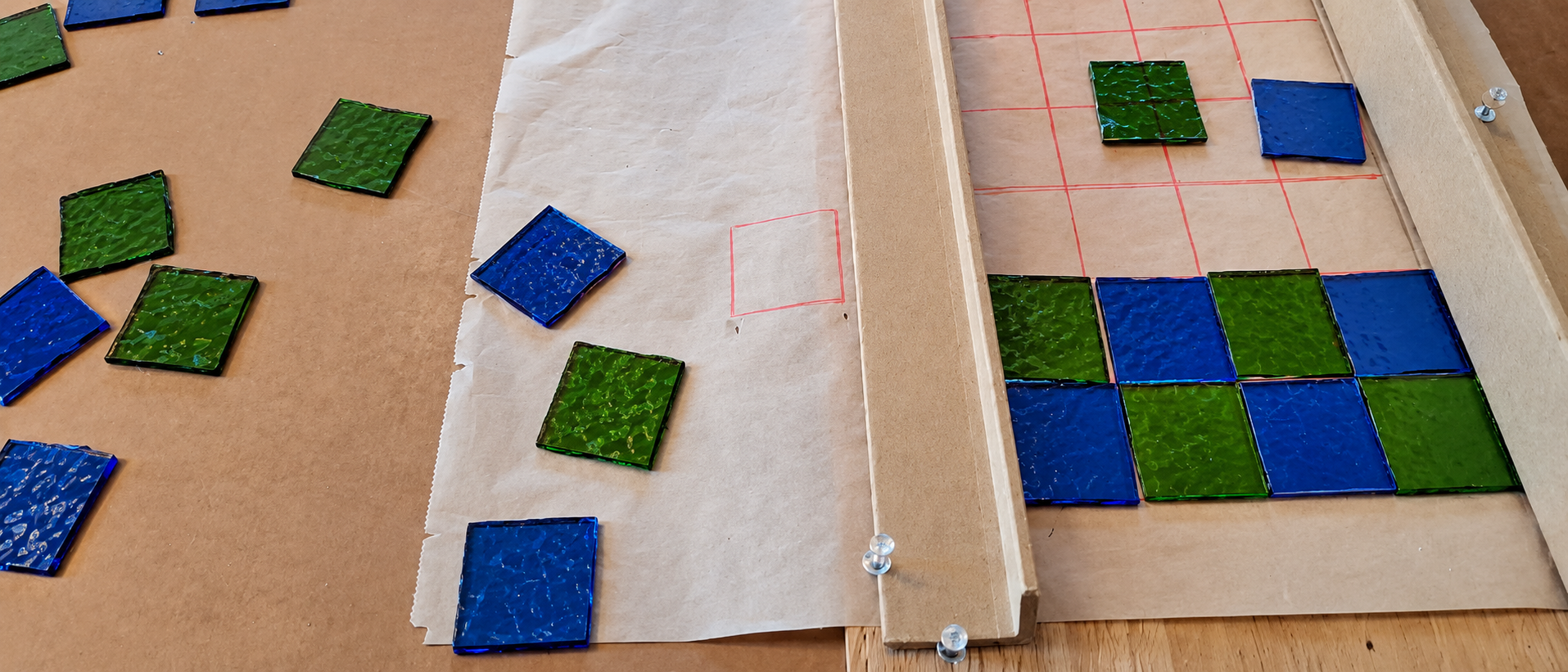
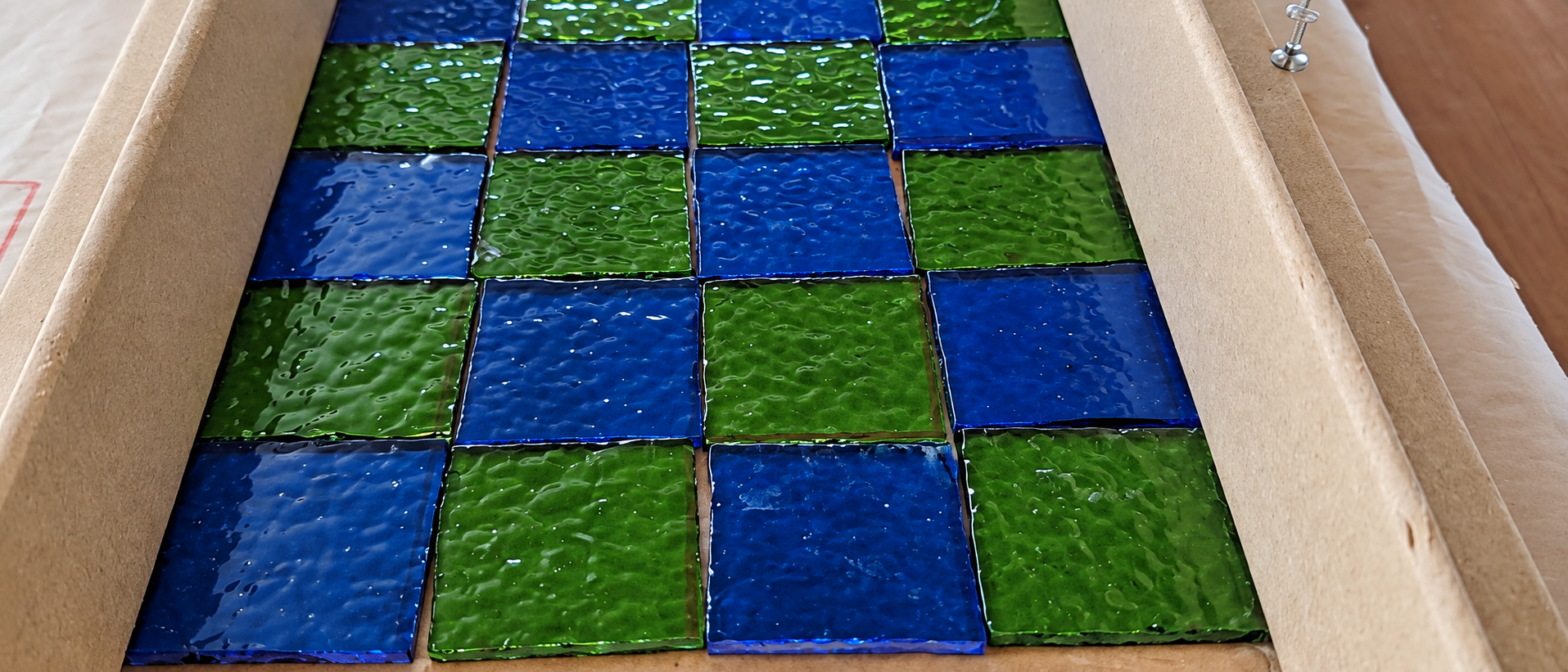
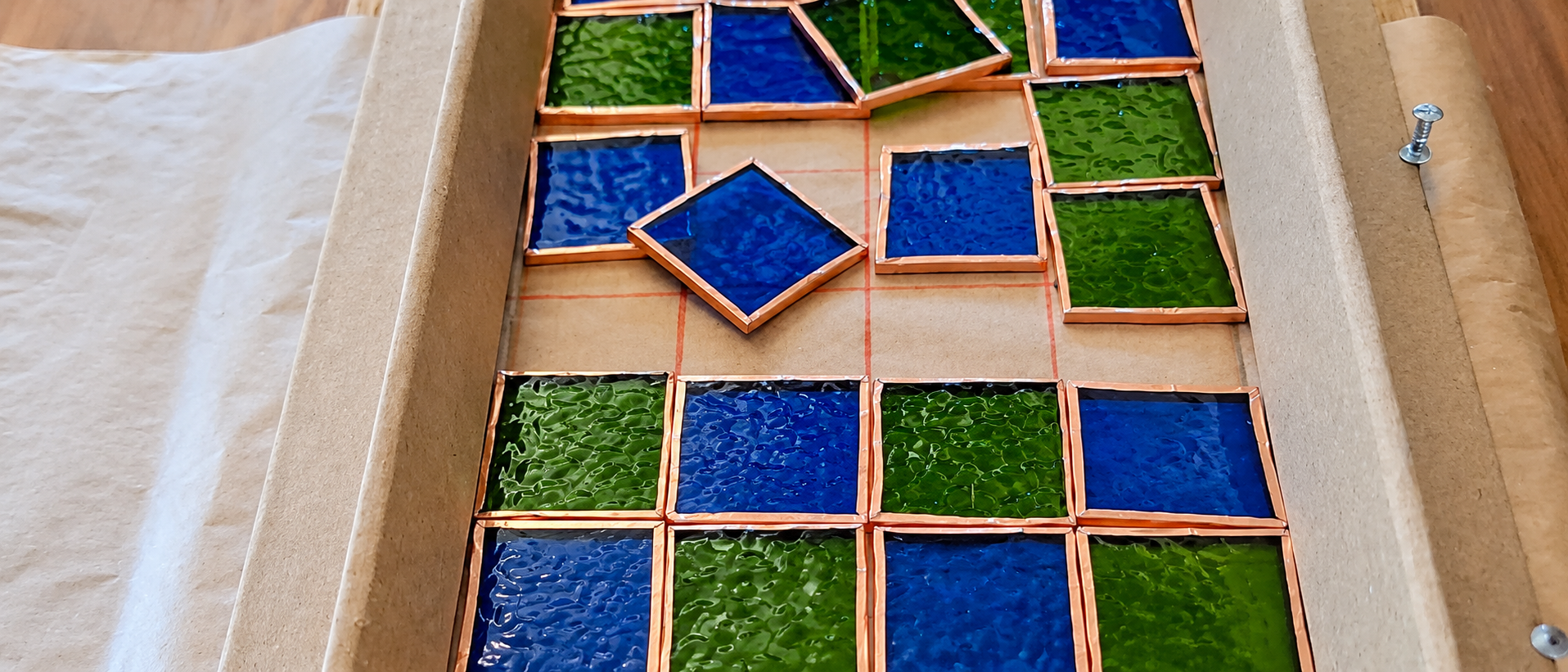
A stained-glass window is always the result of three important disciplines coming together in a single piece:
The art creating designs, of knowing how to draw, of combining colours in compositions of colour and light. This is where the identity of each stained-glass window is born: the choice of a geometric, organic, or large-scale design, and the way light passes through each element and how it changes throughout the day.
The science of producing glass, of fusing glasses of different colours, of fusing designs directly into the glass. It is the knowledge of chemical compositions and their transmission of light that give rise to colours, iridescence, transparencies, and opacities. The chemistry of the different combining elements and temperature of the furnaces create eternal designs. The images in the stained-glass windows of churches and palaces do not change, they do not fade; they are eternal.
The engineering of constructing structures that support cut and welded glass in compositions that distribute weight, and which remain robust forever in the places where they are installed. A stained-glass window is not just an image: it is a structure designed to last for generations.
It is this combination of art, science, and engineering that makes each stained-glass window a unique piece, and it is this same combination that we apply today to every project we create at Eira Vitrais.
We continue to work as this art has always demanded: with design, with technical rigor and with patience, so that your stained-glass, like those in the great cathedrals, is made to last.